
Risk of cross-infection
Improper waste segregation, along with the handling, washing, and disinfecting of reusable utensils, leads to surface contamination and direct exposure to infectious biological materials.
Leaders in hospital infection control.
CREAMEDIC developed the Comprehensive Hospital Maceration System, covering everything from soiled utility room design to ongoing support, with biodegradable supplies made in Mexico and next-generation technology.
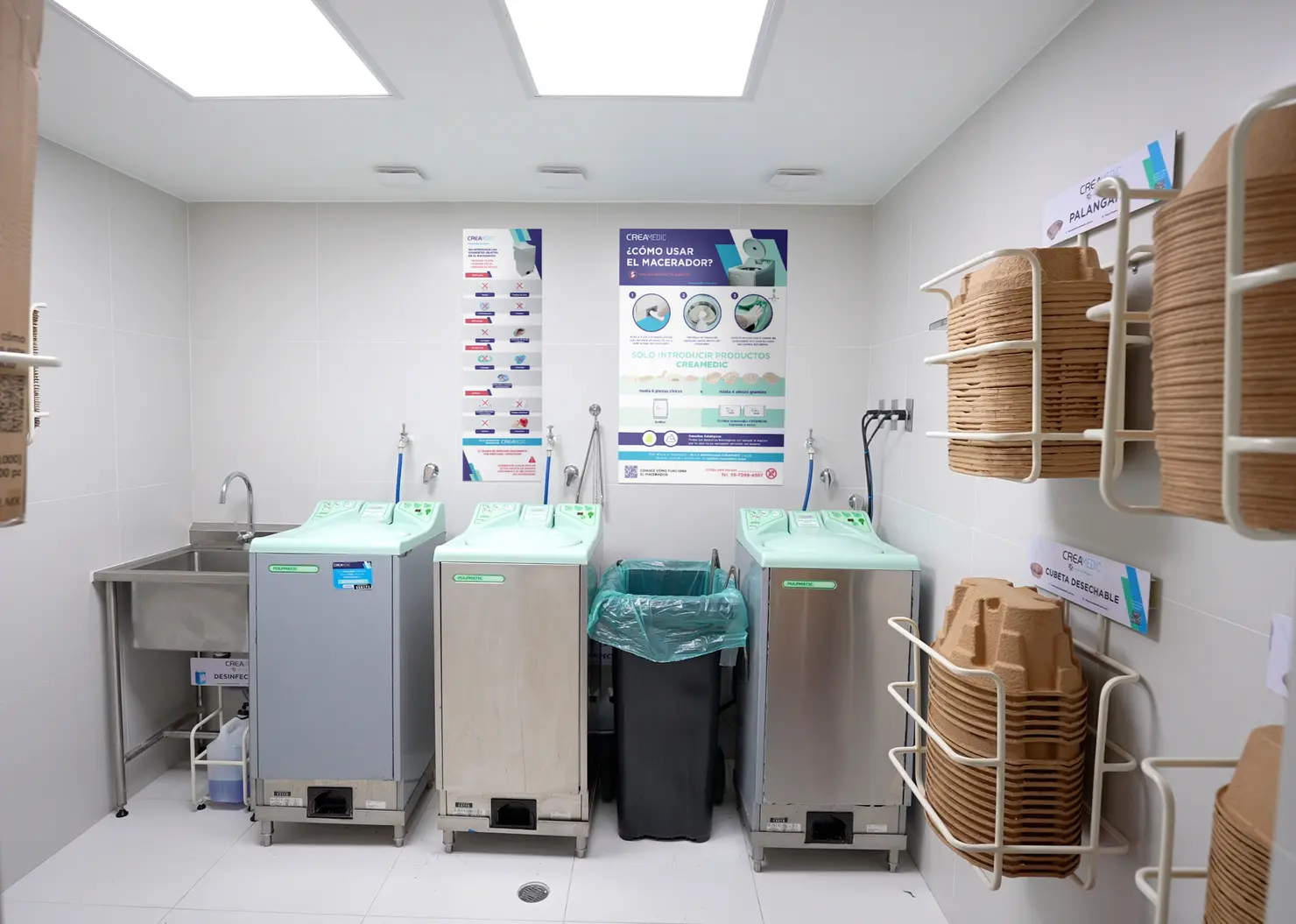
The soiled utility (septic) room is the hospital area designated for handling and disposing of biological-infectious waste. Its proper equipping and operation have a direct impact on infection prevention and the safety of both patients and staff. Its design includes special installations for risk control.
Applies to units with patients who, due to illness, injury, or recovery, are unable to get up: inpatient wards, emergency, intensive care, trauma, surgery, and more.
Improper waste segregation, along with the handling, washing, and disinfecting of reusable utensils, leads to surface contamination and direct exposure to infectious biological materials.

Studies show that conventional utensils, even after washing, retain biological residue — a risk that healthcare staff may not notice but that patients feel the effects of.

Manual handling of biological waste directly exposes patients and healthcare staff to pathogen transmission, exponentially increasing the risk of hospital-acquired infections.
Every component is designed to work as an integrated system and requires unified implementation, not a phased rollout.
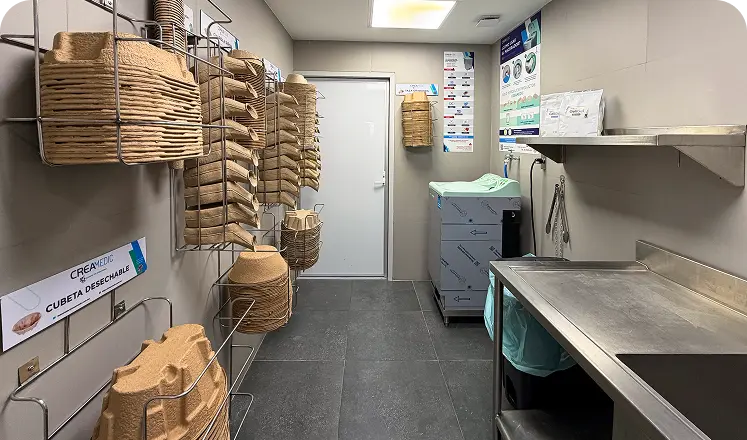
The designated hospital area for handling and disposing of biological-infectious waste. With the CREAMEDIC system, utensils are disposable and macerated directly — completely replacing reusable utensils and the handling of contaminated materials.
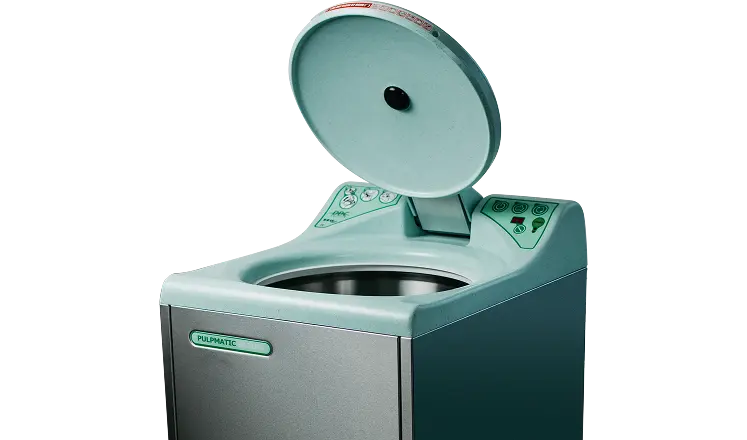
Equipment designed to safely shred and eliminate cardboard-pulp supplies and their contents. It operates automatically and enclosed, with no direct contact with contaminated surfaces, reducing the risk of cross-infection.
It acts against bacteria, fungi, viruses, pathogens, and germs, reducing the risk of nosocomial infections and healthcare-associated infections (HAIs). It is applied automatically during each maceration cycle.
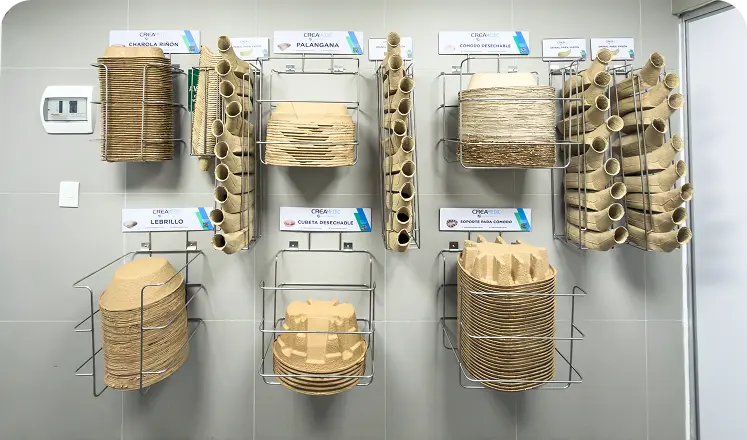
Single-use disposable utensils made from biodegradable cardboard pulp — bedpans, urinals, washbowls, trays, and more. Completely replacing reusable utensils and minimizing the handling of contaminated material.
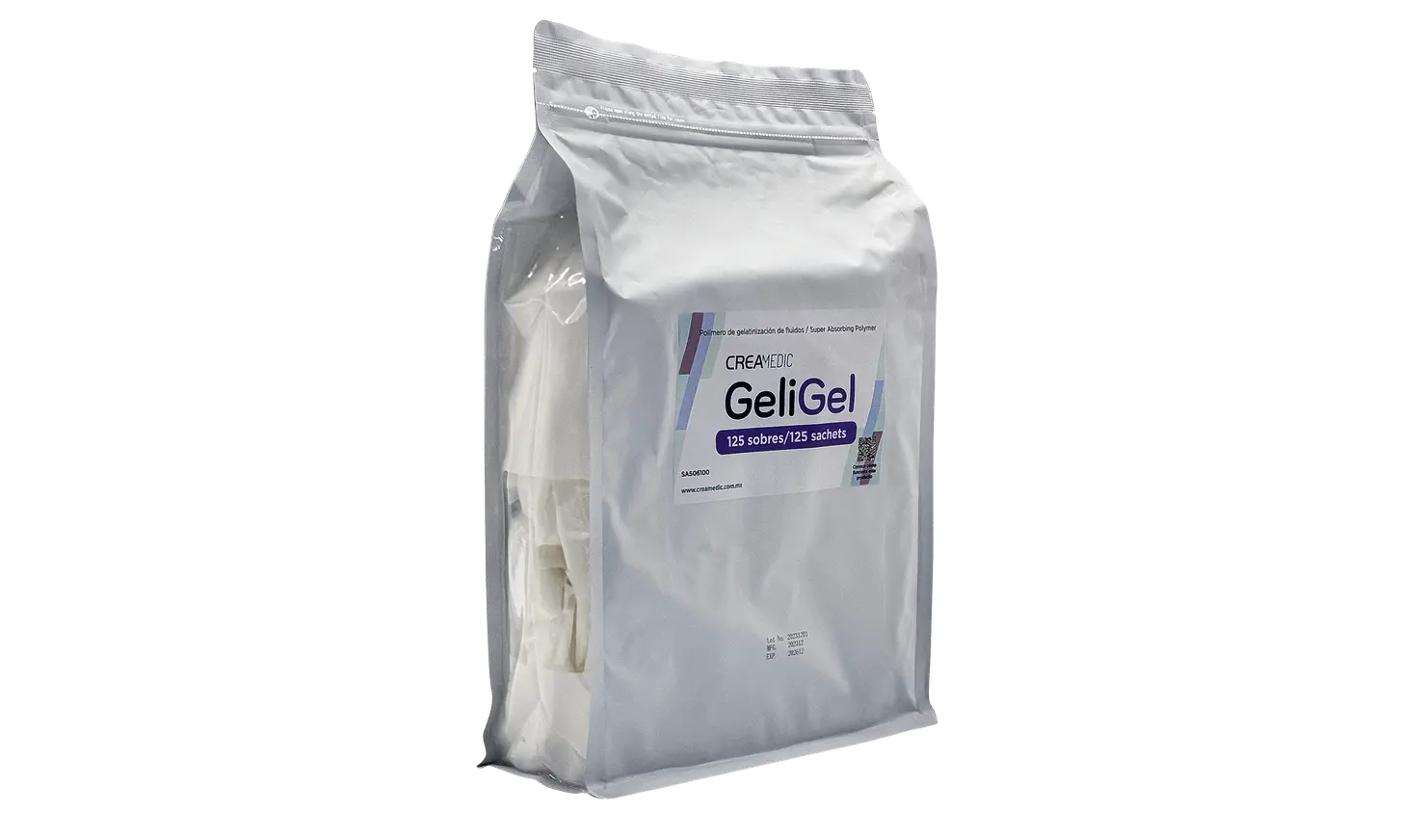
A polymer in soluble sachets that gels liquids and bodily fluids on contact. Prevents spills and splashes while transporting supplies to the macerator.
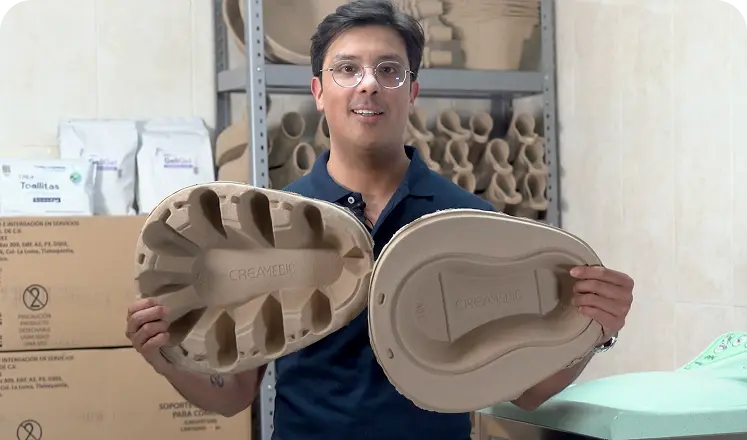
Support for hospital staff on the correct operation of the system, the use of supplies, and safe waste-handling protocols.
Permanent operational supervision and support to ensure the system works correctly within the medical unit.
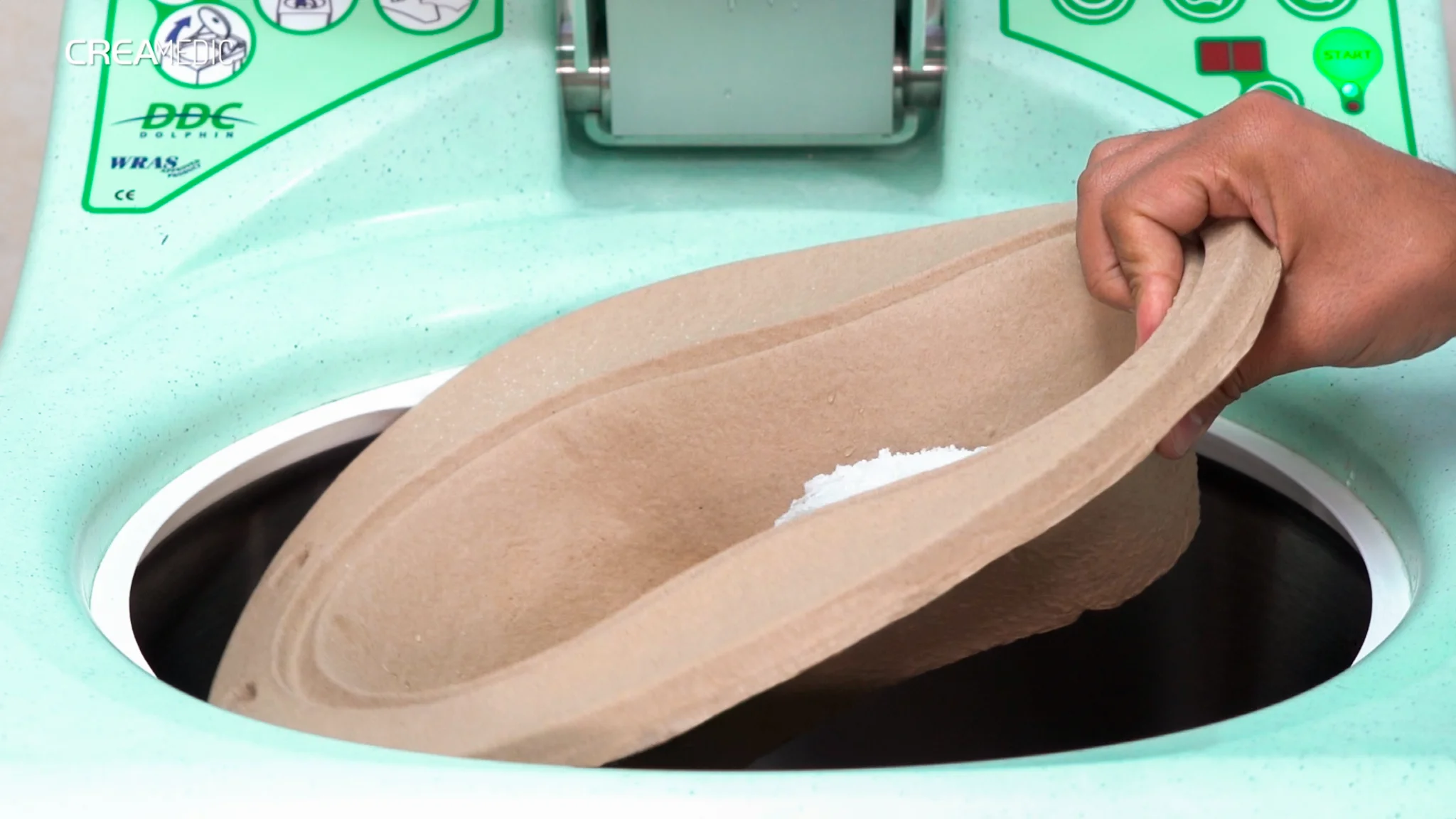
Scheduled technical service to ensure the continuous operation of the macerator and the soiled utility room equipment.
Designed, installed, and operating. Every component is defined with technical precision to ensure epidemiological control at the hospital's most critical point.

CREAMEDIC evaluates the existing soiled utility room, waste flow, and patient and staff movement to define the optimal layout without requiring major construction.

The soiled utility room has its own hydraulic and sanitary network, isolated from the rest of the hospital's systems, for greater epidemiological control.

Sinks, shelving, and fixtures custom-built from 304 stainless steel, widely used in hospital settings because, as an inert material, it doesn't affect the clinical environment. It prevents bacteria and microorganisms from settling or forming biofilms. Compliant with medical furniture standards. Built to last in demanding environments.

Floors and walls with materials designed for high biological risk areas. Surfaces that are easy to disinfect and resistant to heavy use, compliant with NOM-016-SSA3-2012.

Installation, technical validation, and operational testing of water, drainage, and electrical connections before startup. The equipment doesn't go into operation until it's fully validated.

Every installation includes operational signage. Staff who operate the macerator and manage supplies receive the usage protocol from day one.
The CREAMEDIC hospital macerator breaks down pulp supplies and their contents into fine particles inside the unit, with no waste exposure and no direct staff contact. The process is automatic, fully enclosed, and disinfected before discharge into the drain.
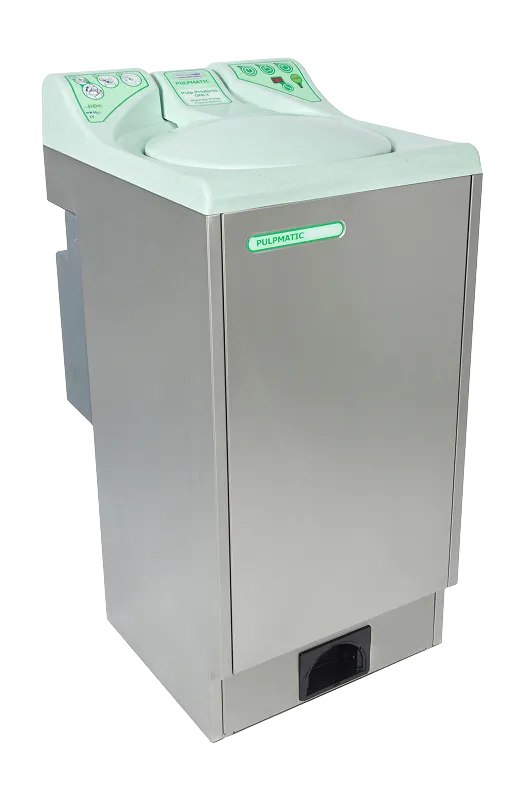





Improper handling of biological waste is one of the leading vectors for HAIs (healthcare-associated infections). CREAMEDIC's closed, automated process eliminates it at the source.

Disposable, macerable, and biodegradable.
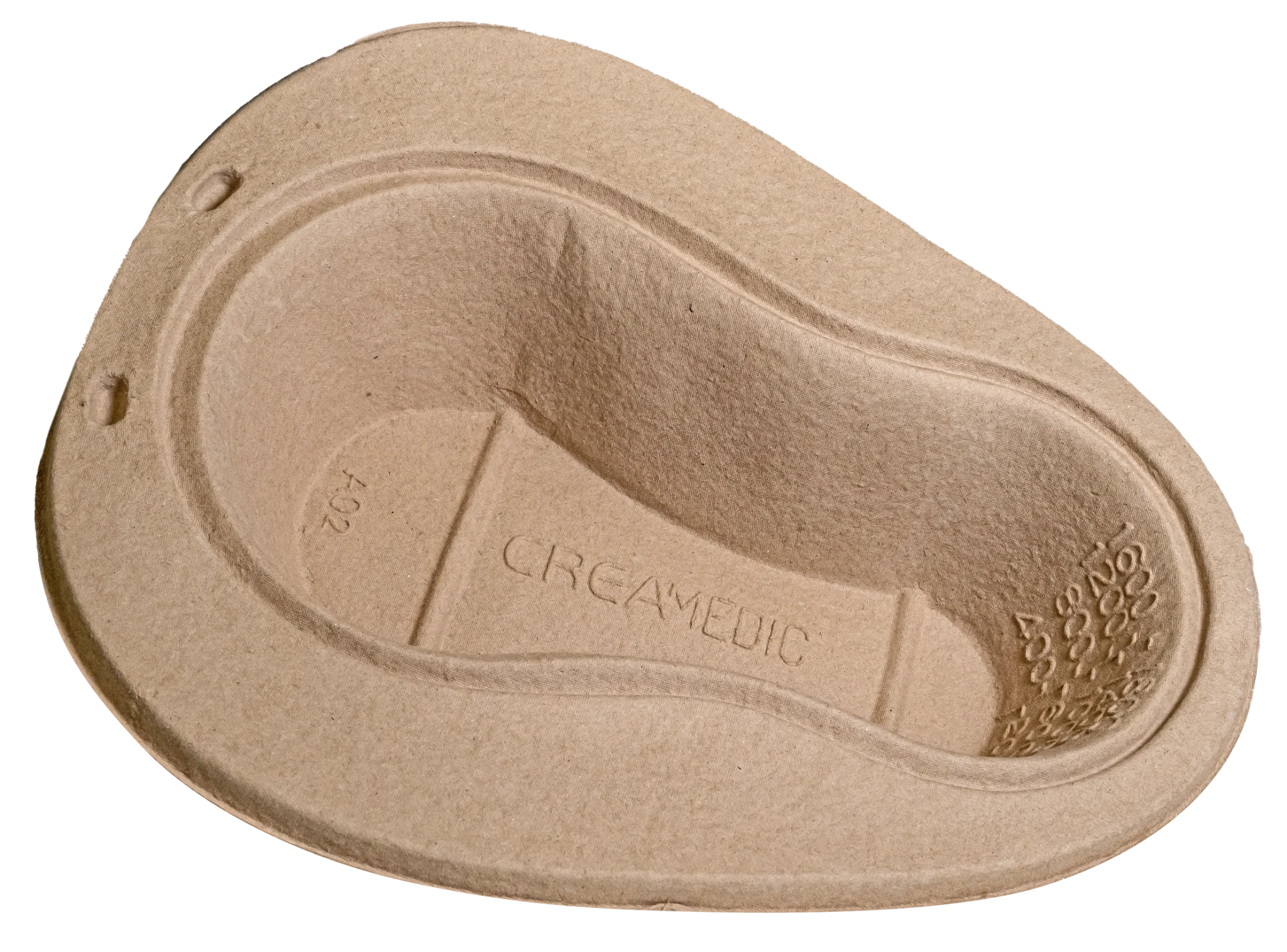
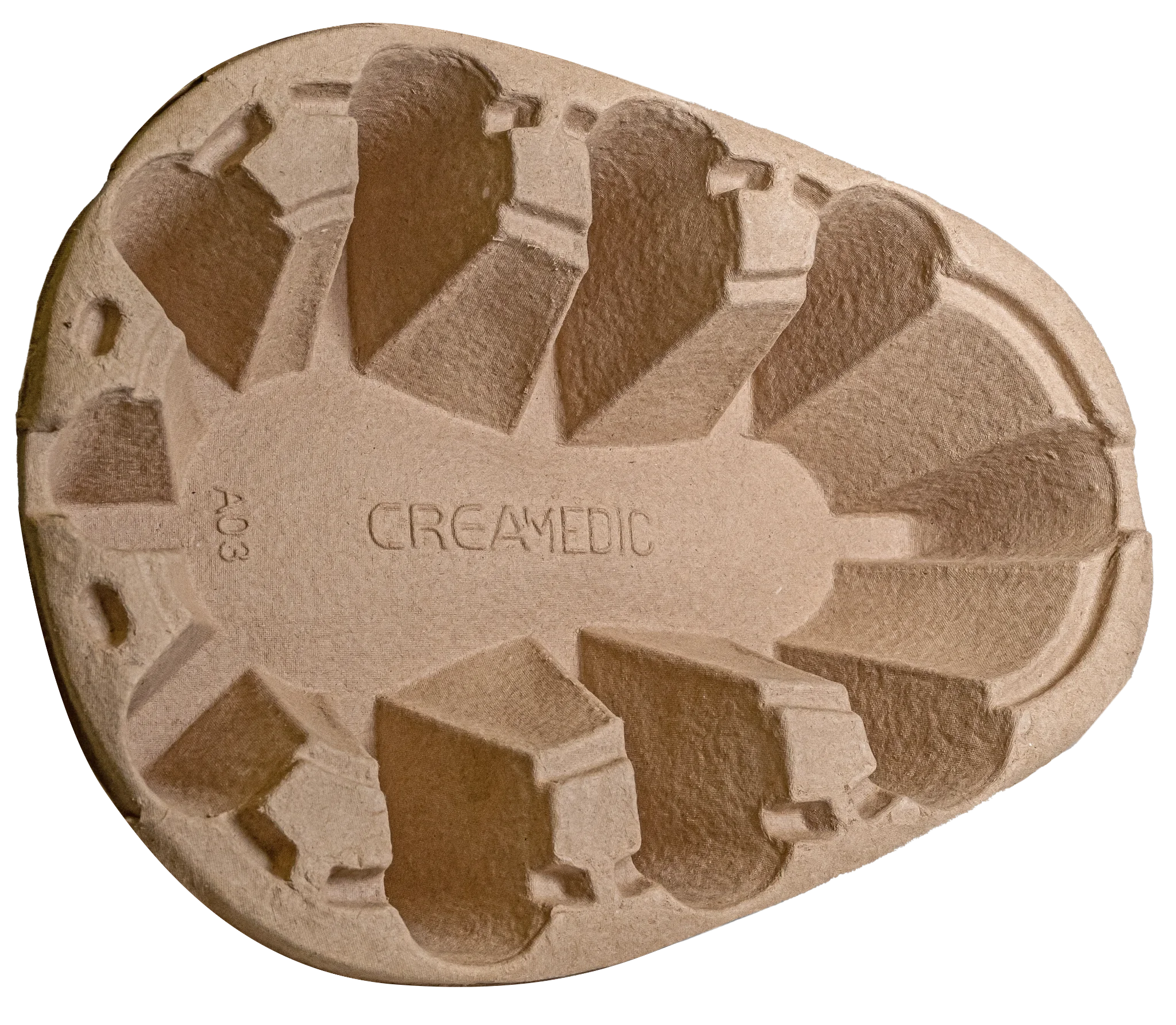
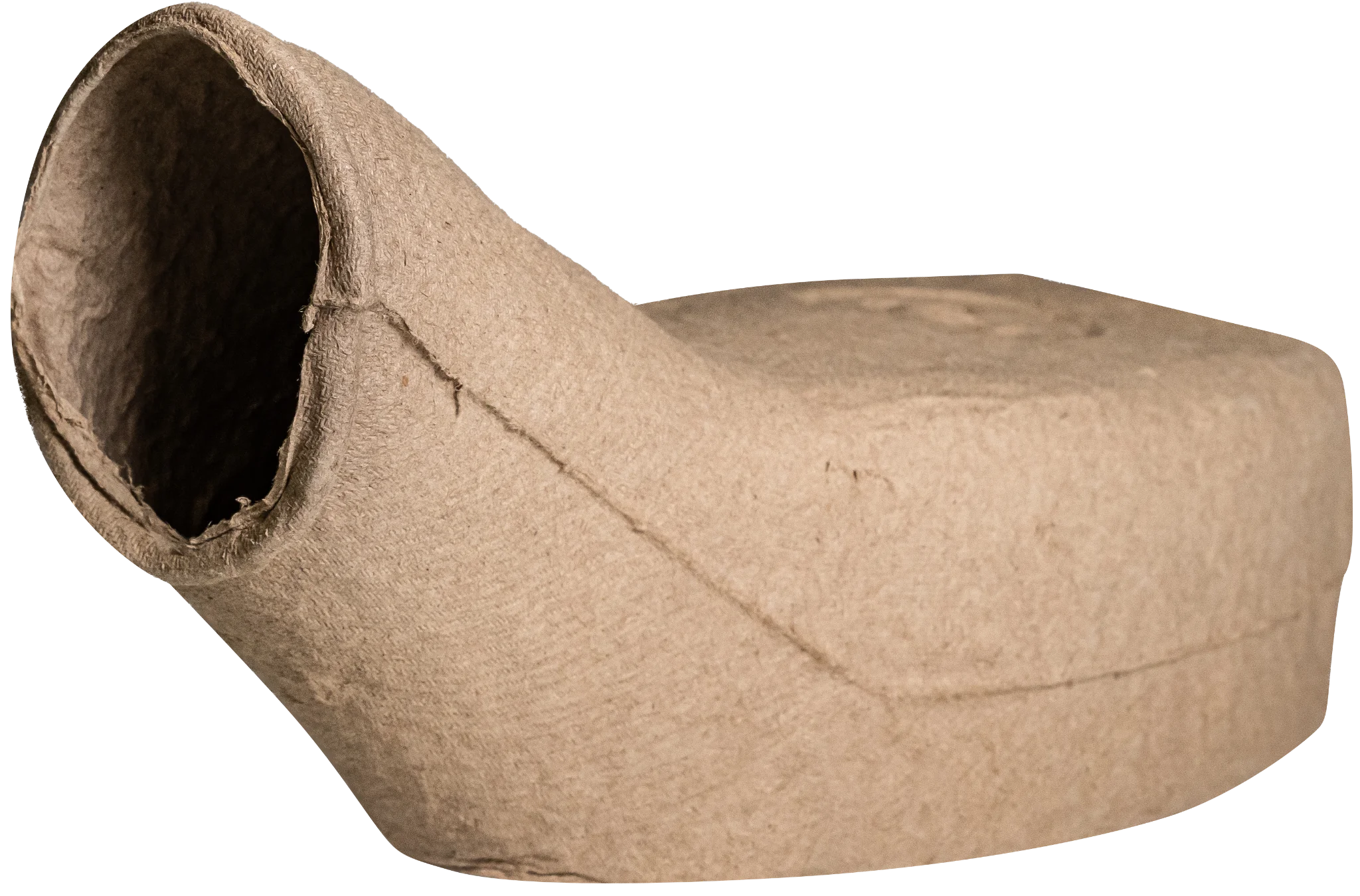
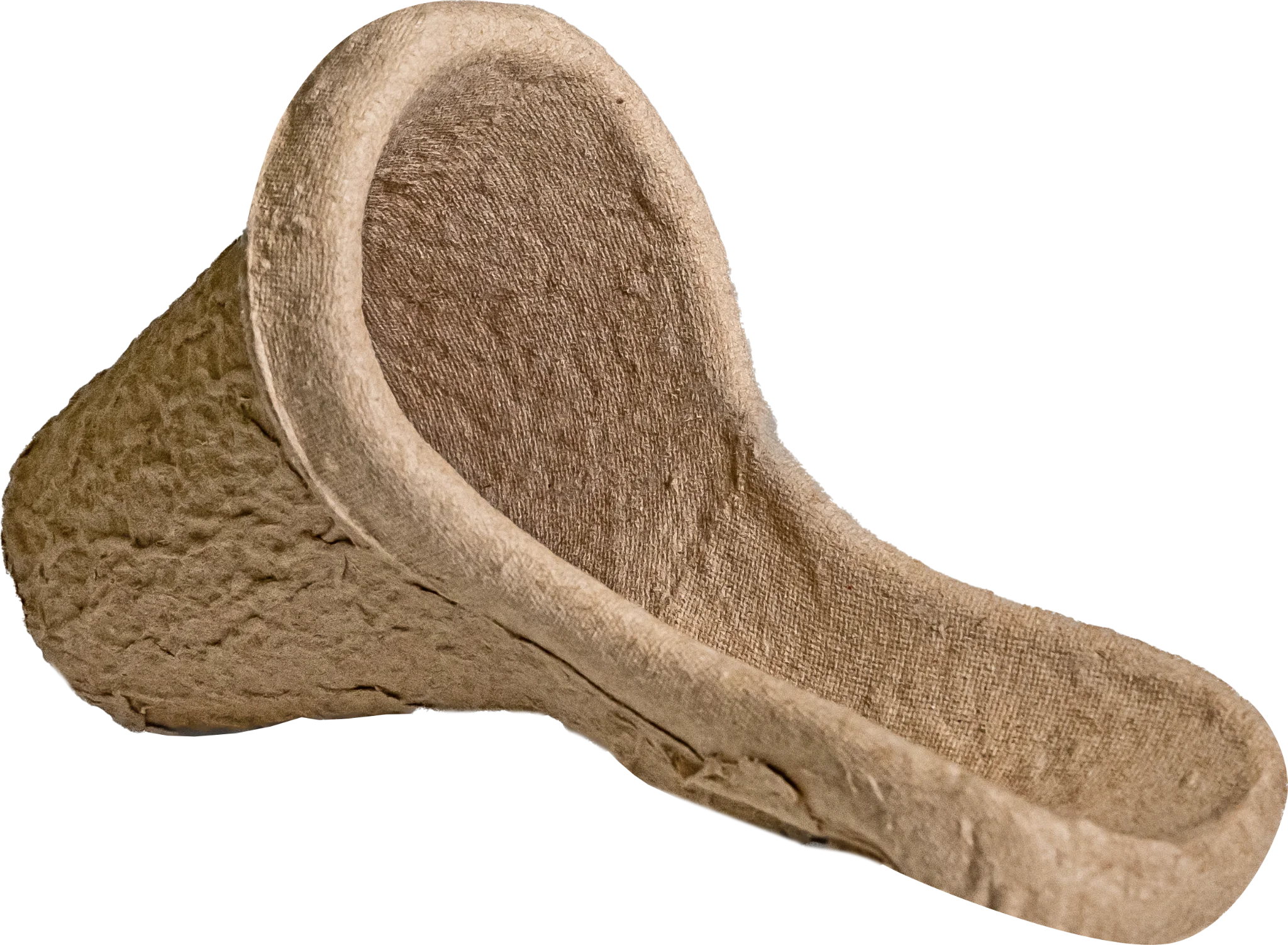
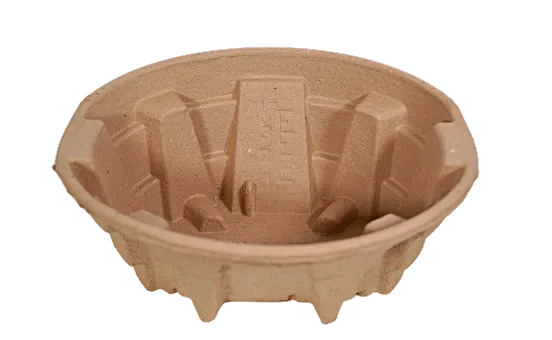
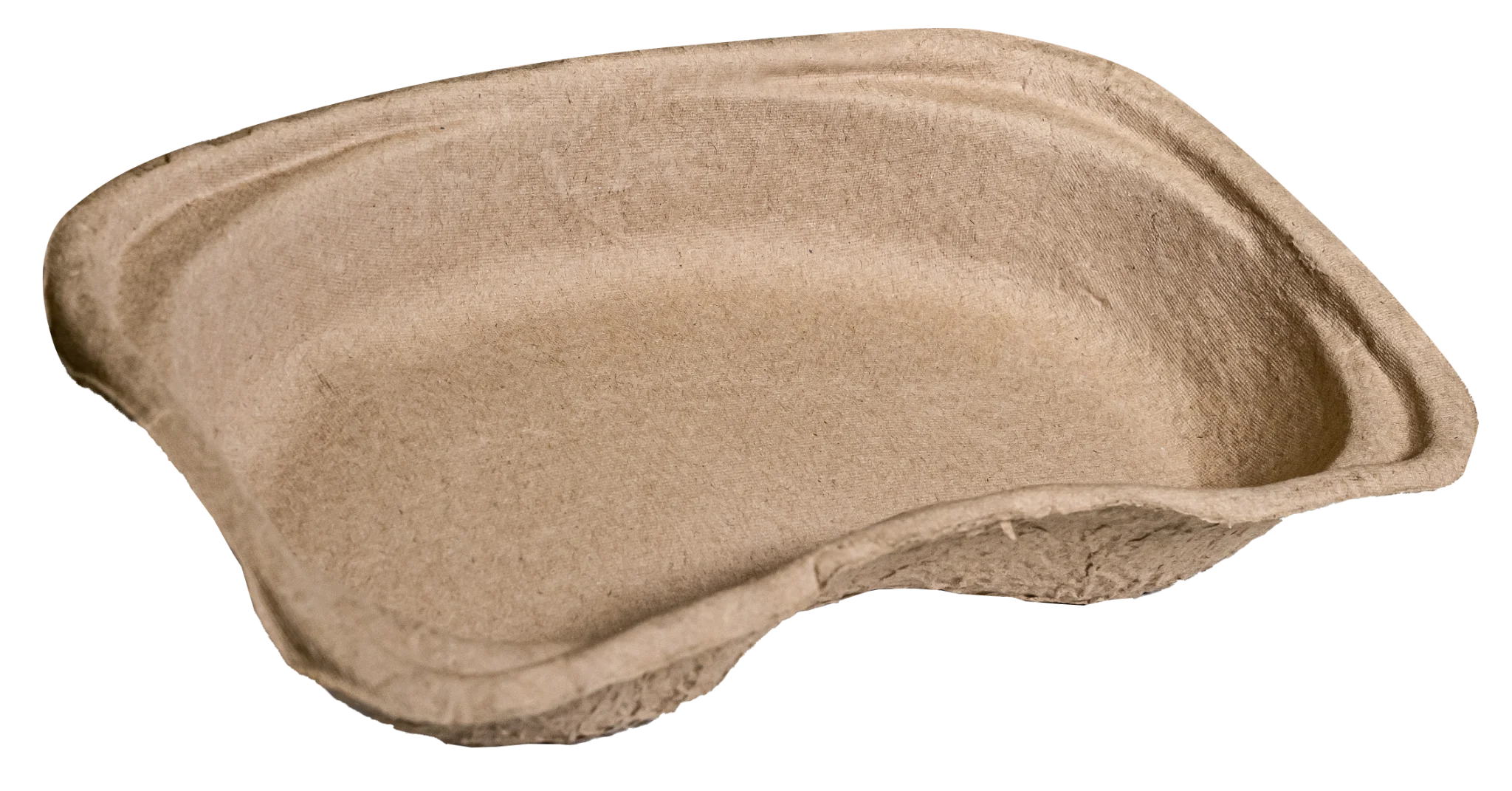
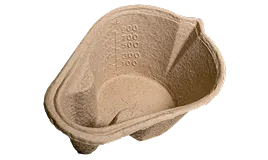
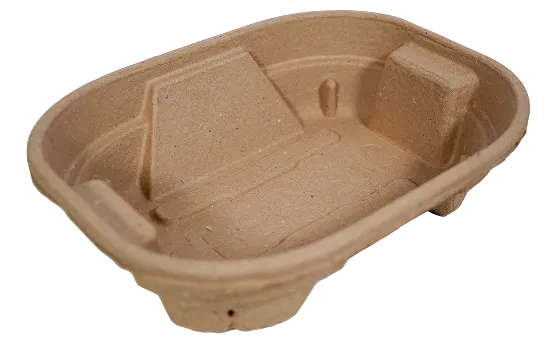
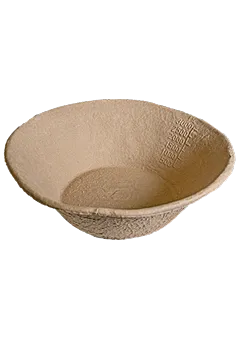
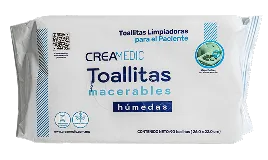
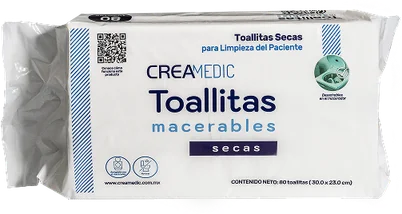
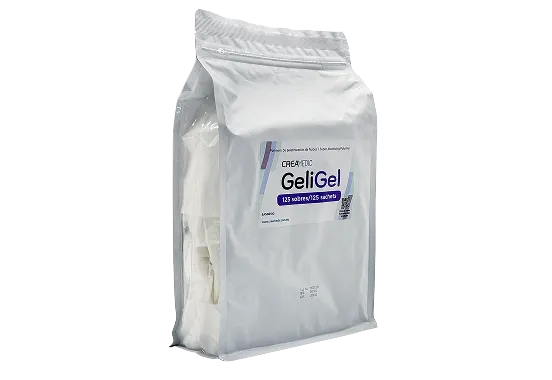
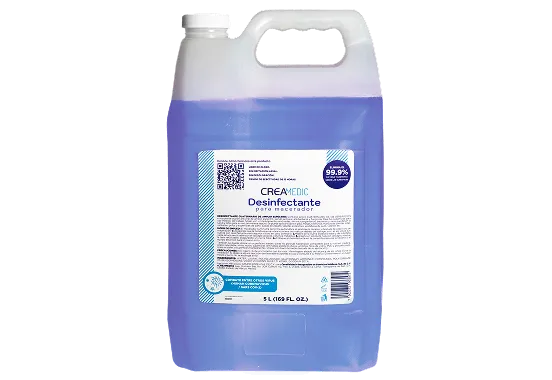
Quality, sustainability, and manufacturing origin aren't optional features at CREAMEDIC — they're central to the model.
CREAMEDIC develops and controls the quality of its supplies from the source. Every product goes through a rigorous validation process before reaching the patient — ensuring consistency, functionality, and safety in every item.
CREAMEDIC produces its supplies at plants in Mexico and Asia, drawing on the most advanced manufacturing capabilities available worldwide to ensure a steady supply, continuous innovation, and top-tier production and quality standards.
Recycled cardboard pulp supplies break down in just over a month.By eliminating reusable items, CREAMEDIC reduces the generation of hazardous waste and the cumulative environmental impact of daily hospital operations.
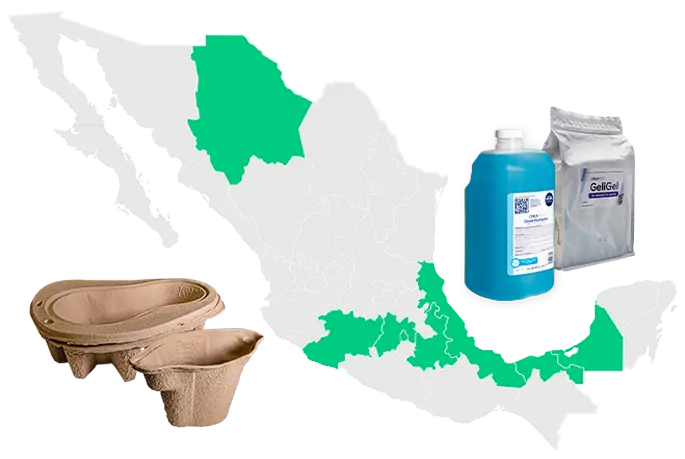
Active presence
in 8 Mexican states.
A leading company
in hospital maceration for the public healthcare sector.